
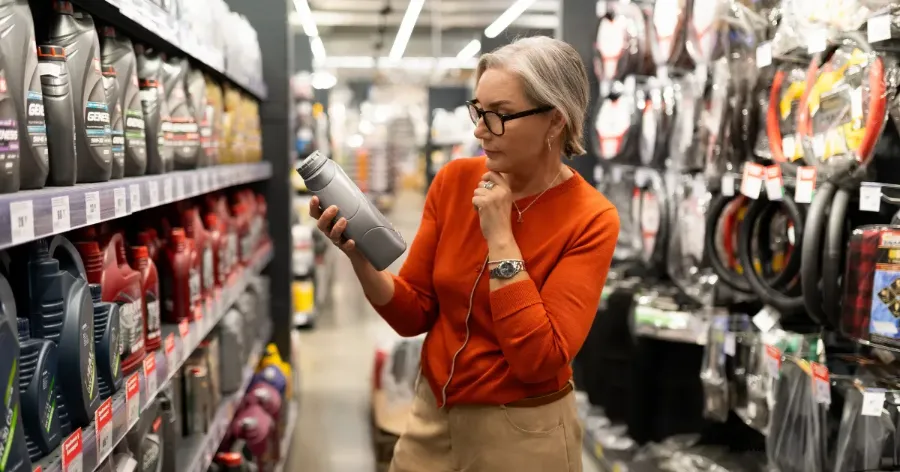
What Influences Drivers and Fleet Operators When Buying Automotive Maintenance Products?
The automotive maintenance market has evolved significantly in recent years. Whether purchasing engine oils, antifreeze, brake fluid, screenwash or AdBlue®, today's buyers are often looking beyond price alone.
For both individual motorists and commercial fleet operators, maintenance products play a direct role in vehicle reliability, safety and operating costs. As a result, purchasing decisions are increasingly influenced by factors such as product quality, supplier reliability and long-term value.
Understanding what drives these decisions can help businesses make more informed choices and ensure their vehicles remain safe, compliant and efficient.
The Shift from Price to Value
Historically, many vehicle owners focused primarily on price when purchasing maintenance products.
While cost remains important, buyers are increasingly recognising that cheaper products do not always represent the best value.
A low-cost product that fails prematurely or performs poorly can often result in:
- Increased maintenance costs
- Additional downtime
- Reduced vehicle performance
- Higher long-term expenses
As a result, both consumers and businesses are paying more attention to product quality and overall value rather than simply choosing the lowest-priced option.
.png)
Reliability Is a Major Purchasing Factor
When a fleet vehicle is off the road, costs can quickly escalate.
For this reason, reliability is often one of the most important factors influencing purchasing decisions.
Fleet managers typically prioritise products that help:
- Minimise downtime
- Improve vehicle performance
- Support preventative maintenance
- Extend component life
Reliable products contribute to predictable maintenance schedules and reduce the likelihood of unexpected failures.
Product Performance Matters
Automotive maintenance products are expected to perform consistently under demanding conditions.
When evaluating products, buyers often consider:
Cleaning Performance
For products such as screenwash, Traffic Film Removers and brake cleaners, effectiveness is a major consideration.
Customers want solutions that deliver reliable results without excessive product consumption.
Protection Levels
For products such as antifreeze, engine oils and brake fluids, protection is critical.
Buyers typically look for products that help protect components against:
- Wear
- Corrosion
- Overheating
- Freezing
- Contamination
Ease of Use
Convenient packaging, simple application methods and clear instructions can all influence purchasing decisions.
For busy fleet operations, products that improve efficiency often provide additional value.
Fleet Operators Focus on Total Cost of Ownership
Commercial fleet operators often take a different approach to purchasing than private motorists.
Rather than focusing solely on the initial purchase price, many fleets evaluate the total cost of ownership.
This includes considering:
- Product lifespan
- Maintenance intervals
- Labour requirements
- Downtime risks
- Vehicle performance
For example, a higher-quality coolant or engine oil may cost more initially but provide longer service intervals and improved protection, reducing overall operating costs.
.png)
Supplier Reliability Is Increasingly Important
A quality product provides little value if it is unavailable when needed.
Many businesses place significant importance on supplier reliability.
Factors that may influence supplier selection include:
- Consistent stock availability
- Reliable delivery schedules
- Product range
- Technical expertise
- Customer service
For fleet operators managing multiple vehicles, a dependable supplier can help simplify maintenance planning and minimise disruption.
Compliance and Industry Standards Matter
Modern vehicles rely on increasingly sophisticated technologies and systems.
As a result, buyers often seek products that meet recognised industry standards and manufacturer requirements.
This is particularly important for:
- Engine oils
- Brake fluids
- Antifreeze products
- AdBlue solutions
Products that meet relevant specifications help provide confidence that they are suitable for the intended application and capable of supporting reliable vehicle performance.
Sustainability Is Influencing Buying Behaviour
Environmental considerations are becoming more prominent across many industries, including transport and automotive maintenance.
Increasingly, buyers are considering:
- Product efficiency
- Waste reduction
- Packaging options
- Concentrated formulations
- Environmental impact
Fleet operators may also evaluate maintenance products as part of broader sustainability initiatives aimed at improving environmental performance.
While performance remains the primary consideration, sustainability factors are becoming increasingly important during the purchasing process.
The Importance of Trust and Reputation
When selecting automotive maintenance products, reputation often plays a significant role.
Buyers are generally more confident purchasing products from suppliers with a proven track record for:
- Quality
- Consistency
- Reliability
- Technical support
Established brands and trusted suppliers often benefit from higher levels of customer loyalty because buyers associate them with dependable performance.
Expert Advice Can Influence Purchasing Decisions
Not every customer is an automotive specialist.
As vehicle technologies continue to evolve, buyers increasingly value technical guidance and expert recommendations.
Businesses often look for suppliers that can help them:
- Choose suitable products
- Understand specifications
- Improve maintenance performance
- Support compliance requirements
Providing expert advice can be just as valuable as supplying the product itself.

Why the Cheapest Option Isn't Always the Best Option
Price will always remain an important consideration, but focusing solely on cost can sometimes create hidden expenses.
Choosing products based entirely on price may lead to:
- Increased maintenance frequency
- Reduced component protection
- Reduced reliability
- Higher overall operating costs
Many businesses are recognising that quality products often deliver better long-term value by helping reduce downtime and protect valuable assets.
What Modern Buyers Want
Whether purchasing for a personal vehicle or an entire fleet, today's buyers tend to look for a combination of:
- Quality
- Reliability
- Performance
- Compliance
- Supplier support
- Long-term value
These factors influence purchasing decisions more than ever before and are shaping the future of the automotive maintenance market.
Conclusion
The way drivers and fleet operators purchase automotive maintenance products has changed significantly. While price remains important, buyers increasingly focus on quality, reliability, compliance and the overall value a product delivers throughout its lifespan.
From antifreeze and brake fluid to screenwash, AdBlue and vehicle cleaning products, maintenance chemicals play a critical role in vehicle performance and reliability.
By selecting trusted products from reliable suppliers, businesses can reduce downtime, improve maintenance outcomes and support long-term vehicle performance.
MISWA supplies a comprehensive range of automotive maintenance products designed to deliver quality, reliability and value for commercial fleets, workshops and vehicle owners alike.
FAQ Section
What factors influence the purchase of automotive maintenance products?
The main factors include product quality, reliability, performance, compliance with industry standards, supplier reputation, availability and overall value.
Do fleet operators prioritise price when buying maintenance products?
Price is important, but many fleet operators focus on total cost of ownership, reliability and maintenance performance rather than simply choosing the cheapest option.
Why is supplier reliability important?
Reliable suppliers help ensure consistent product availability, technical support and timely deliveries, reducing the risk of maintenance delays.
How do industry standards affect purchasing decisions?
Products that meet recognised specifications and manufacturer requirements provide buyers with confidence that they are suitable for their intended vehicle applications.
Are sustainability factors becoming more important?
Yes. Many businesses now consider waste reduction, product efficiency, packaging and environmental impact alongside traditional factors such as performance and cost.